How to Budget Groceries Without the Aisle Anxiety
Grocery spending is one of the easiest budgets to blow and one of the easiest to fix. Here's a practical system that actually holds at checkout.
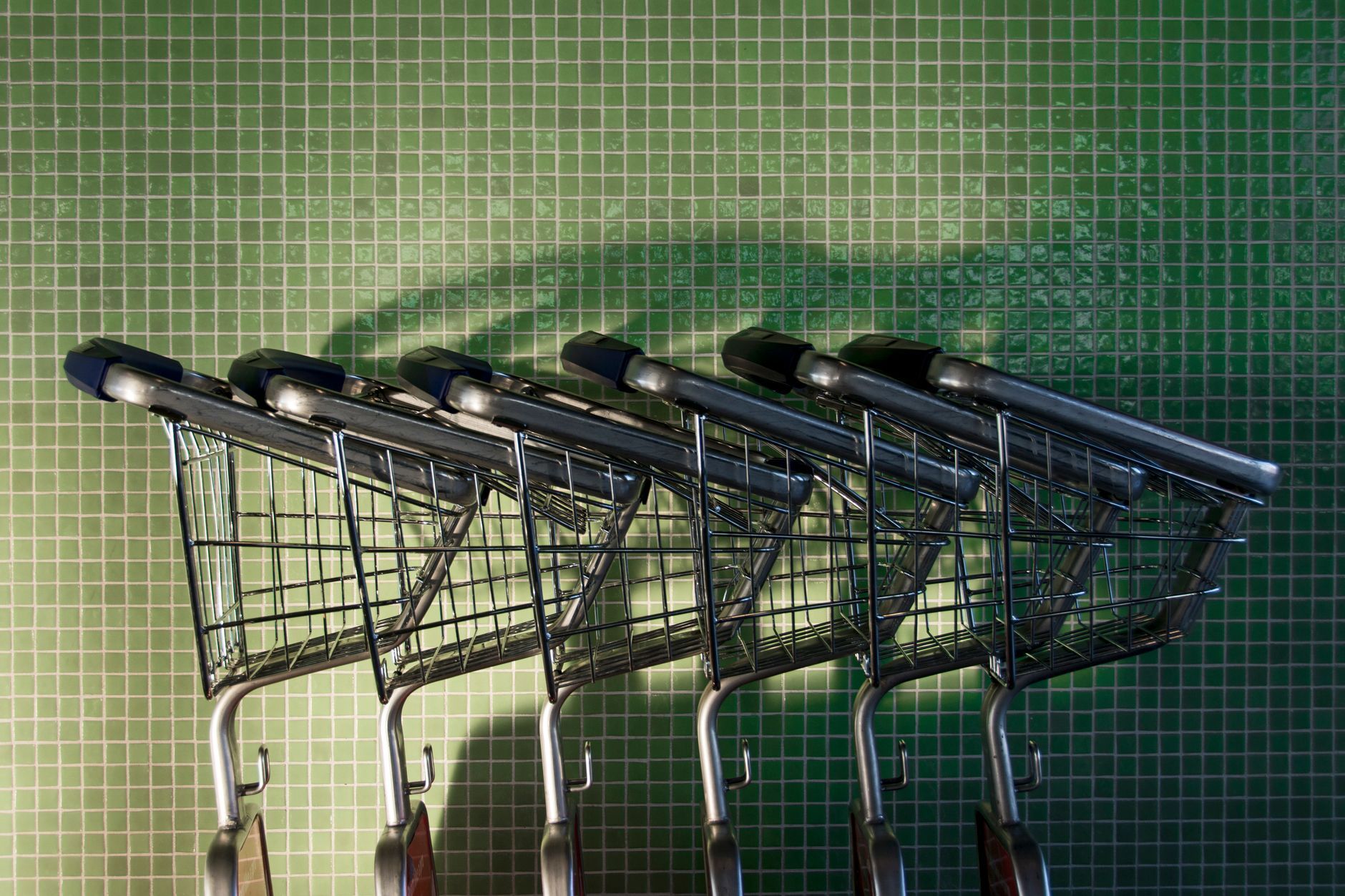
A "quick grocery run" is a financial event lasting eleven minutes and sixty dollars.
You walk in for pasta and walk out with pasta, two sauces you didn't need, a rotisserie chicken because it smelled incredible, and a candle that was near the register. The bill is $73. You budgeted $50. This is not a discipline problem. It's a planning problem.
Why Grocery Budgets Fall Apart
Most people set a grocery number by gut feel. "We spend about $400 a month, so let's say $400." Then they check the bank statement and find out it was $580. The gap isn't laziness. It's that groceries are one of the few spending categories where the price changes every single week and every single visit.
Produce is up. Your household is feeding one extra person this week. You bought cleaning supplies in the grocery store and counted them as groceries. The budget wasn't wrong; it was just too vague to survive contact with a real shopping trip.
A grocery budget needs a number, a method, and a reset valve. Here's how to build one.
Step 1: Find Your Real Starting Number
Before you set a target, find out what you're actually spending. Pull three months of bank and credit card statements and add up every charge at grocery stores, warehouse clubs, and any delivery apps you use for food.
Add those three months together and divide by three. That's your true average, not your guess.
If that number is higher than you expected, good. You now have real information. The goal isn't to shame the number; it's to use it.
From there, set a realistic target. If your average is $620 a month, a target of $500 is aggressive and will probably collapse by the 9th of the month. A target of $570 is a $50 win you can actually keep. Small, durable cuts beat ambitious ones that get abandoned.
Step 2: Break the Monthly Number Into Weekly Trips
A monthly grocery budget is too abstract at the checkout line. Break it into a weekly spending limit instead.
$570 a month divided by 4.3 weeks is about $132 a week. Write that number down. Put it in your phone. That's the number you're working with every time you walk into a store.
When you know your weekly number before you shop, the math is right there: "$94 in the cart so far, $38 left." That's a decision you can make in the bread aisle. "$570 left this month" is a decision you'll make later, and later never comes.
Step 3: Build a Meal Plan First, a List Second
The single most effective way to reduce grocery spending is to shop from a plan, not from memory. Not because it's virtuous. Because it prevents the "I don't know what's for dinner so I'll buy everything that might work" shopping pattern, which is where most grocery overspending actually lives.
A meal plan doesn't have to be elaborate:
- Pick five to six dinners for the week.
- Write down every ingredient you need that you don't already have.
- Add your staples (bread, eggs, whatever your household goes through every week).
- That's your list.
Shop from the list. A list doesn't make you rigid; it makes the impulse purchases a conscious choice instead of a default one. You can still grab the rotisserie chicken. You just know you're doing it.
Step 4: Separate Groceries from "Groceries"
One reason grocery budgets look blown when they shouldn't be: you're counting non-food items as food spending.
Paper towels, shampoo, dish soap, and pet food often get rung up in the same transaction as your groceries. That's fine at checkout, but in your budget they should live in a household supplies category, not the grocery line.
This matters because it changes your actual grocery number and it changes where you look when you want to cut. If your grocery average is $620 but $90 of that is cleaning products and toiletries, your food spend is really $530. Different problem, different lever.
Tracking by category (even roughly) gives you a cleaner picture than one big "grocery" number ever will.
Step 5: Build in a Buffer and a Reset
We hear a version of this every week: someone builds a solid grocery budget, overspends by $40 in week two because of a dinner party, and then quietly gives up on the whole thing because the month feels broken.
The month is not broken. It's just re-planned.
Build a small buffer into your monthly grocery number, roughly 10%. On a $570 target, that's $57. It sits in the category as a cushion. Overspend one week because guests came over? Pull from the buffer, not from your self-respect, and keep going.
If you don't have room in the budget for a buffer, a reset valve still works. Overspend on groceries in week two? Pull $30 from your eating-out category and move on. The point is to keep the month moving, not to declare it a loss.
A budget that can bend without breaking is a budget you'll still be using in month four.
What to Do When the Number Still Feels Too High
If you've been honest about your spending, set a realistic target, and it still feels like too much, here are the actual levers (in order of effort):
| Lever | Typical monthly savings | Effort |
|---|---|---|
| Meal plan before shopping | $40–$80 | Low |
| Shop with a written list | $20–$50 | Low |
| Switch one brand to store-brand | $15–$35 | Very low |
| Reduce food waste (use what you buy) | $30–$60 | Medium |
| Add one no-shop week per month | $60–$130 | Medium |
| Warehouse club for household staples | $20–$50 | Medium |
A no-shop week is exactly what it sounds like: one week a month where you don't buy groceries and instead cook through what's already in the fridge, freezer, and pantry. Most households have a surprising amount of food they haven't gotten to yet. This alone can save one full week's grocery budget per month.
A Note on Grocery Delivery
Grocery delivery is convenient and it is also consistently more expensive: service fees, tips, and the inability to swap a $6 item for the $3 version right next to it on the shelf. If delivery is a regular part of how you shop, build the actual cost into your grocery number. Budgeting the in-store price and paying the delivery price is how you end up $80 over every month and confused about why.
Your Takeaway This Week
Pull your last three months of grocery spending tonight. Get the real average. Set a weekly number from it. Before your next shopping trip, write a list.
That's it. Not a full budget overhaul. Not a new app. Just three months of receipts and one list before one trip.
Brenda can pull that spending history automatically if you connect your bank account, so the three-month average takes about thirty seconds to find. But even with paper statements and a calculator, you'll have more information than most people do about where their grocery money actually goes.
The number might surprise you. That's the point.
Read less about money.
Do more with it.
Brenda drafts your budget, reads the receipts, and tells you the truth, kindly. Free on iOS and Android.