How to Budget Groceries Without Starving Your Cart
Grocery spending is one of the easiest budgets to blow and one of the hardest to fix. Here's a practical system that actually works at the checkout.
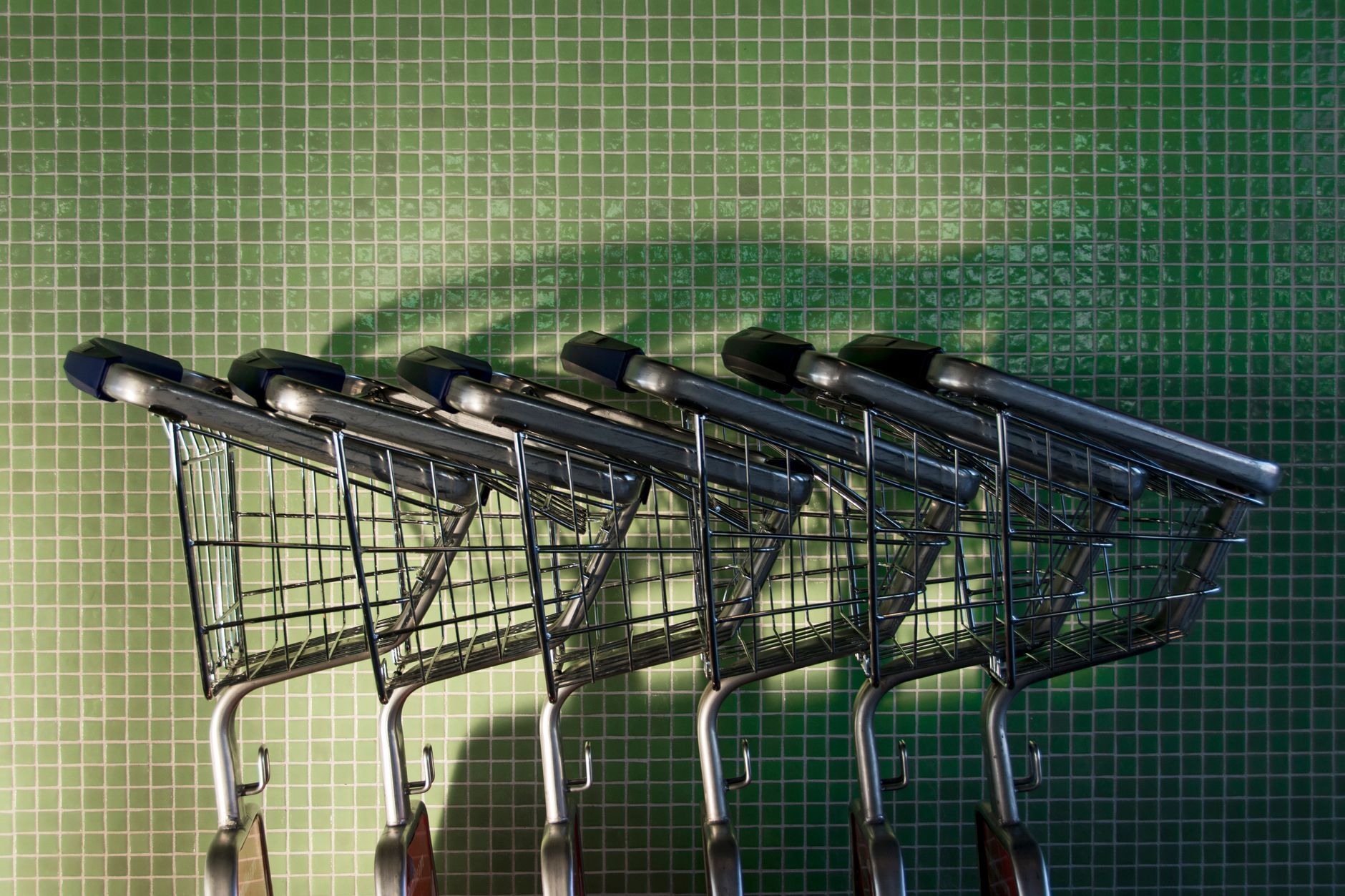
A "quick trip for milk" is a financial event lasting nine minutes and sixty-three dollars.
You went in for milk. You came out with milk, a rotisserie chicken, two things on sale, and one thing that wasn't. It happens to almost everyone, almost every week. The problem isn't willpower. The problem is going in without a number.
Why Grocery Budgets Fall Apart
Groceries feel different from other spending categories. You can't cut food entirely. Prices shift week to week. And unlike a Netflix subscription, you make the purchasing decision fresh, standing in a fluorescent aisle, tired, probably hungry.
Most people set a grocery number in January and then ignore it by February. The budget didn't fail because it was the wrong number. It failed because there was no system behind the number.
The fix is a budget that does three things: gives you a real starting number, breaks it into decisions you can actually make at the store, and lets you adjust when reality doesn't cooperate.
Step 1: Find Out What You Actually Spend Now
Before you set a grocery budget, look at what you've spent on groceries over the last two or three months. Not what you think you spent. What the bank actually recorded.
Pull your statements and add up every supermarket, grocery delivery, and warehouse club charge. Most people are surprised. The number in your head is usually lower than the number on the page.
If you've been lumping groceries and takeout together under "food," split them now. They're different problems with different solutions, and fixing one while ignoring the other won't move the needle.
Once you have your real monthly average, that's your baseline. Not your budget yet. Just the truth.
Step 2: Set a Number You Can Actually Hit
A grocery budget isn't a punishment. It's a target you negotiate with yourself based on your actual life: your household size, your city's prices, your diet.
A rough framework for a single adult in a mid-cost-of-living city: somewhere in the range of $250–$400 a month covers groceries with room to cook real meals. A household of two might sit closer to $450–$650. These are rough ranges, not gospel. Your city, your dietary needs, and whether you have a Costco membership all move the number.
The useful question isn't "What should I spend?" It's "What am I currently spending, and can I come down by 10–15% without making dinner miserable?"
If your average is $580 and you set a target of $480, that's $100 a month, $1,200 a year. Real money, not dramatic sacrifice.
Step 3: Build the Weekly Number
Monthly targets are too abstract at the checkout. Convert yours to a weekly number instead.
Take your monthly target and multiply by 12, then divide by 52. A $480 monthly target becomes roughly $111 per week. That's the number you bring to the store.
Write it on your phone. Put it in a note. Whatever it takes to have it in front of you before you walk in. That single number changes how you shop. You start doing the math in your cart instead of at the register.
Step 4: Plan Meals Before You Write the List
The most expensive way to grocery shop is to wander the store and buy things that seem useful. The cheapest way is to know exactly what you're making before you go.
You don't need a perfectly organized meal-plan spreadsheet. You need five answers to the question: "What are we eating for dinner this week?"
Write those five dinners down. Then write the ingredients you're missing. That list is your shopping list. Everything else in the store is optional.
This one step tends to cut impulse spending by more than any other tactic, because you arrive with a purpose. The rotisserie chicken is still tempting, but you already have a plan for the chicken thighs in your cart.
Step 5: Shop With a System, Not Just a List
A few practices that consistently keep grocery spending closer to the plan:
- Eat before you go. Hungry shoppers spend more. This is not a surprise to anyone who has ever bought a party-size bag of chips at 6 p.m.
- Check what you already have first. A lot of grocery overruns come from buying duplicates of things already in the pantry. A two-minute fridge check before writing the list pays for itself.
- Use a running total. As you add items to the cart, add the price (rough is fine) to a mental or written tally. When you hit your number, you're done shopping for extras.
- Set a "flex" line. Give yourself $15–$20 of flex per week for the thing that's on sale or the ingredient you forgot. Having a flex line means you're not blowing the budget, you're using it correctly.
- Do one bigger shop instead of several small ones. Every trip to the store is an opportunity to spend an extra $30 on things that weren't on the list. Fewer trips, fewer unplanned purchases.
When You Overspend (Because You Will)
We hear a version of this constantly: a reader builds a clean grocery budget on the 1st of the month, overruns it by the 9th on one big shop, and decides the whole month is ruined.
The month is not ruined. The budget just needs a quick rebalance.
If you're over on groceries by $40, pull $40 from somewhere else that has room. Eating out less this week, skipping one activity, moving $40 from next week's flex. The point of a budget isn't to be perfect. It's to stay honest with yourself about where the money went and make a deliberate choice about what to adjust.
A budget with no way to bend mid-month is designed to be abandoned. Let it flex.
What to Watch Beyond the Grocery Store
Three places where grocery-adjacent spending hides and quietly inflates the real total:
- Meal kit subscriptions. Convenient, but often $10–$14 per serving. Fine as an occasional thing. Rough as a weekly default.
- Grocery delivery fees and tips. A $90 order can become $115 after fees, tips, and the markup some delivery apps apply to item prices. Worth knowing the real cost before making it a habit.
- Warehouse clubs. Great for non-perishables you actually use. A slow leak for bulk quantities of things that expire before you finish them. Buy in bulk where you have a genuine track record of finishing the thing.
Your One Action This Week
Pull your last two months of grocery charges and get your real average. Write it down. Then set a weekly number that's 10–15% below it and bring that number to your next shop.
That's it. You don't need a new system, a new app, or a perfectly planned meal calendar to start. You need one honest number and the habit of checking it before you hit the checkout lane.
Brenda's spending tracker can do the pulling and averaging automatically if you connect your bank, but the weekly number you carry into the store is still yours to own.
Read less about money.
Do more with it.
Brenda drafts your budget, reads the receipts, and tells you the truth, kindly. Free on iOS and Android.