How to Pay Off a Home Loan Fast (Without Wrecking Your Life)
Paying off your mortgage early can save you tens of thousands in interest. Here's exactly how to do it, with real numbers and no vague advice.
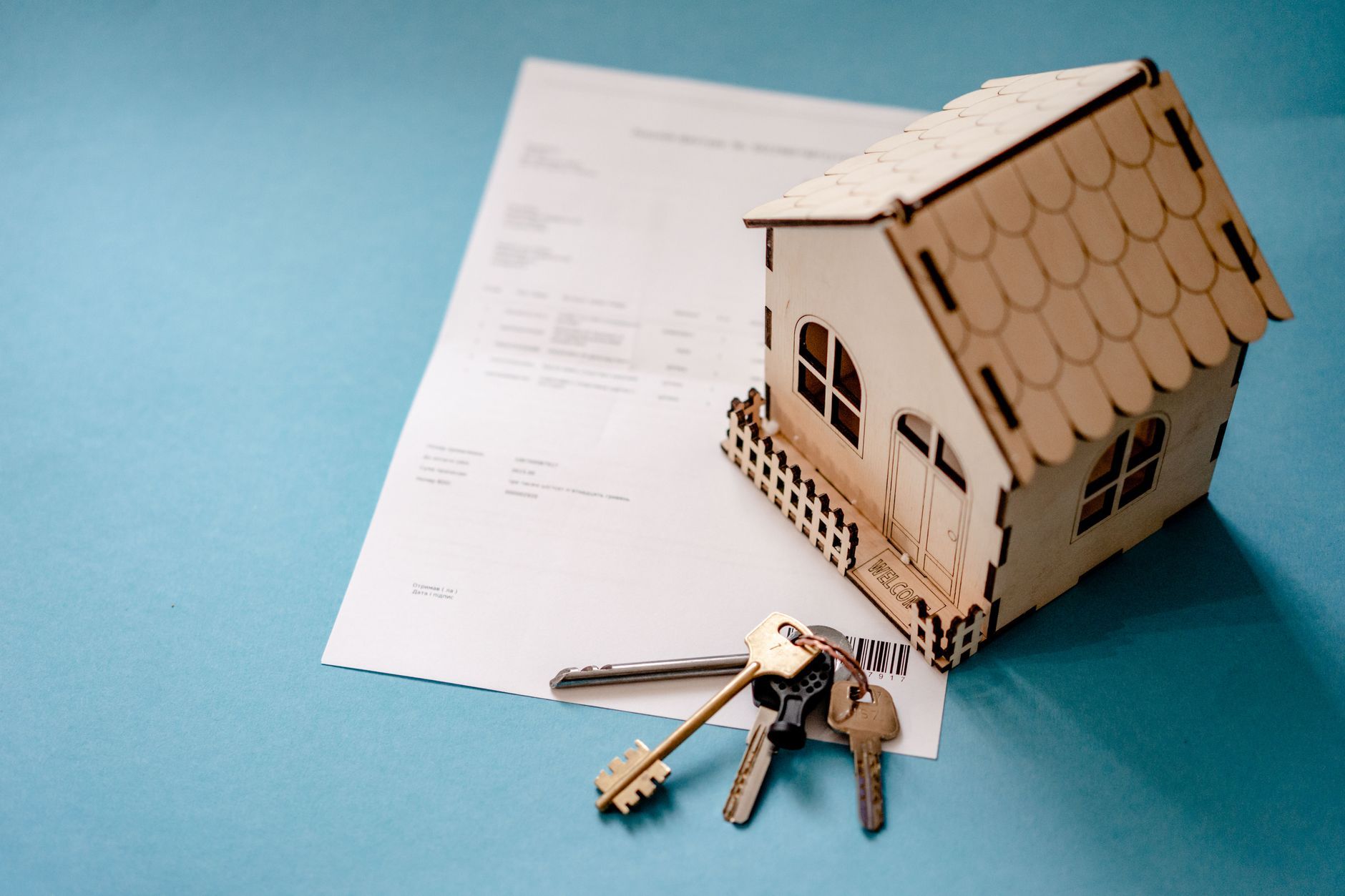
A mortgage walks into a bar and orders 30 years of drinks. The bartender says, "You'll be paying for those for a while." That's not a metaphor. That's your amortization schedule.
Most people sign a 30-year mortgage, pay the minimum every month, and never think hard about what that decision actually costs. If you have a $350,000 loan at 6.5% interest, your minimum payments will hand the bank roughly $446,000 over 30 years. That's almost $100,000 above what you borrowed, just in interest. Paying off your home loan fast is one of the highest-return moves you can make in personal finance, and it doesn't require a windfall to start.
Why Paying Off a Home Loan Fast Actually Works
The math on early mortgage payoff is brutally simple. In the early years of a 30-year mortgage, the vast majority of each monthly payment goes to interest, not principal. On that $350,000 loan at 6.5%, your first payment of roughly $2,212 sends about $1,896 to the bank as interest and only $316 toward what you actually owe.
Every extra dollar you pay directly reduces the principal. A smaller principal means less interest charged next month. That compounds in your favor over time, rather than in the bank's favor.
The goal is to attack the principal early and consistently. Here's how.
How to Pay Off a Home Loan Fast: Five Concrete Moves
1. Make one extra payment per year
This is the lowest-friction strategy. Once a year, make a 13th payment and apply it entirely to principal.
On a $350,000 loan at 6.5%, one extra payment per year cuts roughly 4 to 5 years off your loan term and saves well over $50,000 in interest. You can time this with a tax refund, a work bonus, or a month where your paycheck timing gives you three pay periods.
When you make the extra payment, contact your servicer or note clearly on the payment that the overage should be applied to principal, not next month's payment. Some servicers will apply it wrong by default.
2. Pay biweekly instead of monthly
Instead of making one monthly payment, split it in half and pay every two weeks. Because there are 52 weeks in a year, you end up making 26 half-payments, which equals 13 full payments. Same result as the extra-payment strategy, but it happens automatically through your payment rhythm.
Check whether your servicer offers a formal biweekly program. Some charge a setup fee for this, which is unnecessary. You can do it yourself by simply making a half-payment every two weeks and marking the extra toward principal.
3. Round up every payment
Your mortgage payment is $2,212. Pay $2,300. Or $2,500. The difference sounds small, but it adds up.
Paying $2,400 instead of $2,212 means an extra $188 toward principal every month. That's $2,256 a year. Over 10 years, consistently applied, that extra $188 monthly shaves years off your loan and saves a meaningful chunk of interest. The exact savings depend on your rate and balance, but on most 30-year mortgages the impact is substantial.
Round-up payments are easy to automate and easy to forget about, which is exactly why they work.
4. Apply windfalls directly to principal
Bonuses, tax refunds, inheritance, a freelance project that paid well. These are one-time opportunities to make a dent that would take years of round-ups to match.
A $5,000 lump-sum payment applied to principal on a 6.5% loan saves you roughly $5,000 in interest over the life of the loan and shortens the term. The earlier in the loan you apply the lump sum, the bigger the compounding effect.
Again: always confirm the payment goes to principal reduction, not to satisfying future monthly payments.
5. Refinance to a shorter term (if the numbers work)
Refinancing a 30-year mortgage to a 15-year mortgage is the nuclear option. It forces the payoff and dramatically cuts total interest, but it raises your monthly payment significantly.
On a $300,000 loan, a 30-year term at 6.5% runs roughly $1,896 per month. A 15-year term at a lower rate (shorter terms often carry lower rates) might run around $2,500 or more. That's $600-plus extra every month. If your budget handles it comfortably, the interest savings are enormous. If it stretches you thin, one job disruption breaks the whole plan.
Refinancing also comes with closing costs, often 2 to 3 percent of the loan balance. Run the break-even math: divide the closing cost by your monthly savings to see how many months until the refinance pays for itself.
What This Actually Costs You Each Month
Here's a quick comparison of strategies on a $350,000 loan at 6.5% with a standard 30-year term:
| Strategy | Extra monthly cost | Approx. interest saved | Years removed |
|---|---|---|---|
| One extra payment/year | ~$185/month averaged | $50,000+ | 4–5 years |
| Round up to $2,400/month | $188/month | $30,000–$50,000 | 3–4 years |
| Biweekly payments | ~$185/month averaged | $50,000+ | 4–5 years |
| $5,000 lump sum (year 1) | One-time | ~$5,000 | Less than 1 year |
| Refinance to 15-year | $500–$800/month | $100,000+ | 15 years |
These are rough ranges, not precise projections. Your actual numbers depend on your rate, remaining balance, and when in the loan term you start.
One Thing That Trips People Up
Minimum payments are a treadmill. You stay on it, the bank gets rich, and your net worth barely moves in the early years. The budget should always show what "extra" actually does to your timeline.
This is worth stressing because a lot of people treat their mortgage payment as a fixed, untouchable expense. It's not. It's a floor, not a ceiling.
That said, paying off your home loan fast is not the right move for everyone right now. If you're carrying credit card debt at 20-plus percent, that's a far more expensive fire to put out first. If you have no emergency fund, adding $400 a month to your mortgage while one car repair would go on a credit card is a trade-off worth thinking hard about.
Minimum payments are a treadmill on the mortgage. But a credit card at high interest is a treadmill with the speed turned up.
Where to Start This Week
Pick one move. Just one.
If your cash flow allows it, set up a recurring overpayment this month. Even $100 extra per payment, applied to principal, starts the compounding in your direction. If you're expecting a tax refund or bonus, earmark it now, before it dissolves into spending, and apply it as a lump sum to principal the day it arrives.
The key is to make the decision before the money shows up. Windfalls that don't have a job assigned tend to disappear into the background hum of spending.
Brenda can help you see exactly how much slack you have each month, so you're not guessing at what "extra" you can realistically put toward the loan. But even a basic calculation on paper works. Take your monthly take-home, subtract every fixed expense, and see what's left. That number tells you where to start.
The expensive part of a 30-year mortgage is the 30 years. You don't have to serve the full sentence.
Read less about money.
Do more with it.
Brenda drafts your budget, reads the receipts, and tells you the truth, kindly. Free on iOS and Android.