How to Pay Off a Home Loan Fast (With Real Tactics)
Paying off your mortgage early can save you tens of thousands in interest. Here are the tactics that actually work, with the math to prove it.
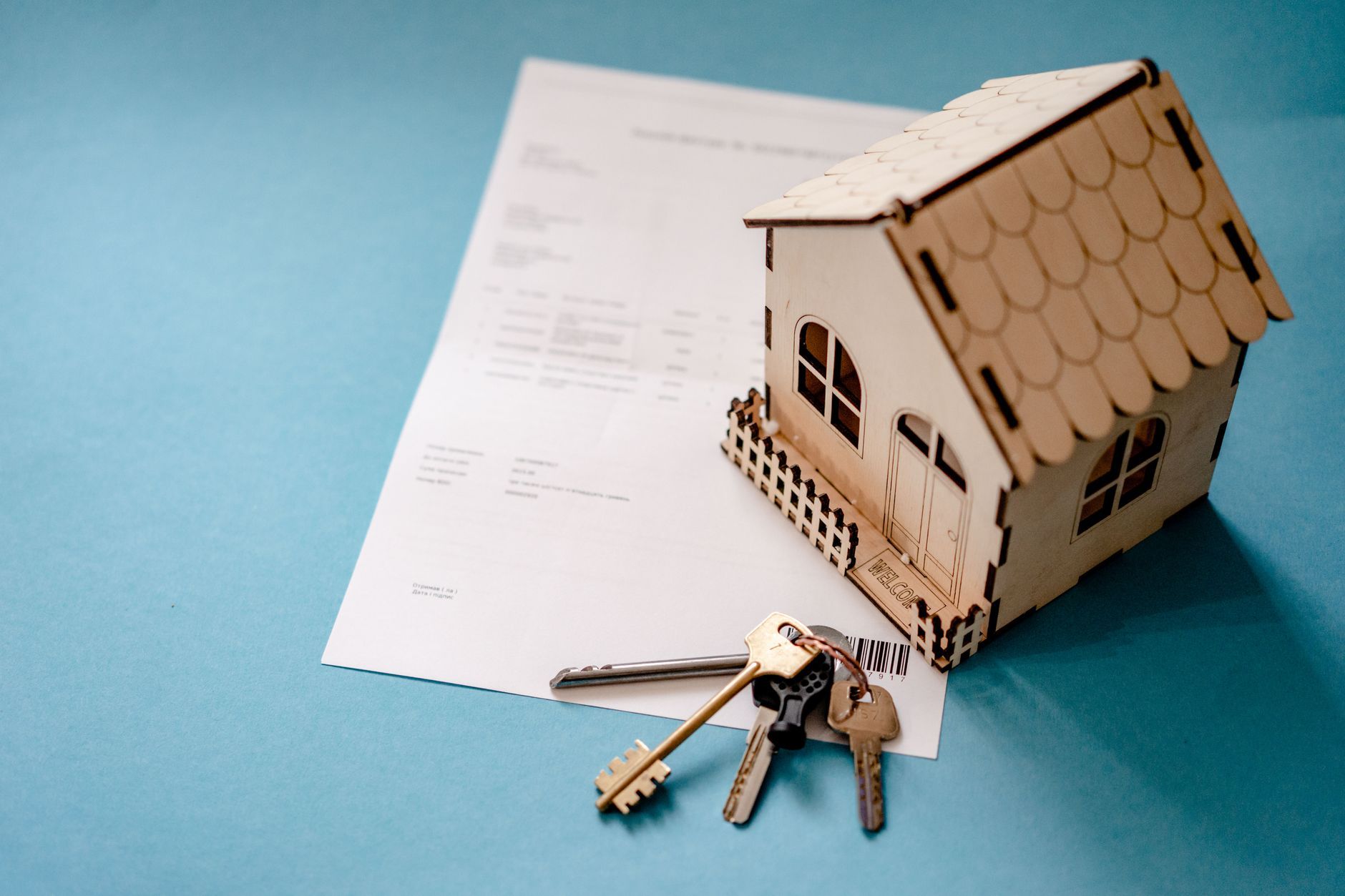
A mortgage is a 30-year promise your future self didn't get to vote on. The good news: you can shorten the sentence.
Most homeowners assume the payoff date is fixed. It isn't. The way a home loan works, extra payments hit the principal directly, and every dollar of principal you remove today erases the interest that would have compounded on top of it for years. Small moves compound into large savings. Here's how to make them.
Why Paying Off a Home Loan Fast Is Worth the Effort
Take a $350,000 mortgage at a 7% fixed rate over 30 years. Your total interest bill over the life of that loan is roughly $488,000. You borrow $350k and pay back nearly $840k.
That number isn't a scare tactic. It's the baseline you're working against. Anything you chip away at the principal early shrinks that figure, sometimes dramatically.
The math also works in reverse: doing nothing is expensive. Minimum payments are a treadmill, not a plan. The budget should always show what "extra" would actually do.
How to Pay Off a Home Loan Fast: 6 Tactics That Work
1. Make one extra payment per year
This is the lowest-effort tactic on the list. Pay the equivalent of one additional monthly mortgage payment each year, applied to principal.
On a $350,000 loan at 7% over 30 years, one extra payment per year typically cuts about four to five years off the loan and saves roughly $60,000–$80,000 in interest depending on when in the loan you start.
How to do it without feeling it: divide your monthly payment by 12 and add that amount to every month's payment. A $2,330/month mortgage becomes $2,524/month. The extra $194 barely registers week to week, but it adds up to a full thirteenth payment by December.
2. Switch to biweekly payments
Instead of 12 monthly payments, you make 26 half-payments per year. That equals 13 full payments. Same result as above, different delivery mechanism.
Some lenders offer a formal biweekly program. Others just let you pay half your mortgage on the 1st and the other half on the 15th. Confirm with your lender that the extra half-payment goes toward principal, not into a suspense account that gets applied at month-end. It matters.
3. Round up every payment
Your payment is $2,147. Pay $2,200. Or $2,300 if that's easier to track.
This sounds too small to matter. It isn't. An extra $53 per month on that same 30-year, $350k loan at 7% removes roughly 10–14 months from the payoff date and saves somewhere in the range of $20,000–$25,000 in interest. The rounder the number, the easier it is to sustain.
4. Apply windfalls directly to principal
Tax refund. Work bonus. Birthday money. A side project that paid more than expected.
Most people spend windfalls because windfalls feel like found money. But a $3,000 tax refund applied to principal early in a 30-year loan at 7% saves you far more than $3,000 over time. The compounding math favors acting early.
When the windfall hits, log into your mortgage account and make a principal-only payment. Some lenders require you to specify "principal only" or the extra amount gets applied to next month's regular payment instead. Check the instructions. This is one of those small details worth confirming.
5. Refinance to a shorter term (with care)
A 15-year mortgage typically carries a lower interest rate than a 30-year. On the same $350k loan, you'd pay significantly less total interest, and you'd own the home outright in half the time.
The trade-off is real: the monthly payment on a 15-year is higher. Sometimes much higher. This only makes sense if your budget can absorb it without sacrificing your emergency fund or retirement contributions. Stretching thin to pay off a mortgage faster is a poor trade if a single job disruption sends you scrambling for a credit card.
Run the actual numbers before committing. If the monthly increase is manageable, a shorter term is one of the most reliable ways to reduce total interest paid.
6. Stop over-counting mortgage interest as a "benefit"
Some people resist paying off their mortgage faster because of the mortgage interest tax deduction. The logic: "I'm getting a write-off, so why rush?"
This is a real consideration, but often overstated. You only benefit from the deduction if you itemize rather than take the standard deduction, and most homeowners don't. Even when you do itemize, the deduction offsets a portion of the interest you're paying, it doesn't erase it. Paying $10,000 in interest to save $2,200 in taxes still costs $7,800.
This isn't tax advice. Talk to a tax professional about your specific situation. But don't let a partial deduction become an excuse to keep a large interest bill on autopilot.
The Order of Operations
Paying off a home loan fast is a worthy goal, but it shouldn't come at the expense of more expensive debt or basic financial safety.
Before adding extra to your mortgage, check:
- High-interest debt first. If you're carrying credit card balances at 20%+ interest, pay those down before adding to your mortgage principal. The math is unambiguous.
- Emergency fund intact. Three months of essential expenses in a savings account. If you drain it to make extra mortgage payments and the furnace dies, you're back on a credit card anyway.
- Retirement contributions matched. If your employer matches retirement contributions, capture the full match before directing extra money to the mortgage. The match is an immediate 50–100% return on that dollar. Mortgage prepayment doesn't compete with that.
Once those are handled, extra mortgage payments make solid sense.
What Actually Slows People Down
We hear a version of this regularly: someone intends to pay extra on the mortgage "whenever there's something left over at the end of the month." Months pass. Nothing is ever left over. Not because the income isn't there, but because unassigned money disappears by default.
The fix is to automate it. Set the extra payment amount alongside the regular mortgage, so it leaves the account on schedule. Then it's not a decision you make 12 times a year. It's one decision you made once.
Your One Action This Week
Look at your mortgage statement and find the principal balance. Then open your bank's payment portal and confirm whether it lets you make a principal-only payment.
If it does, set up one extra payment this month, even a small one. $50 or $100 is a real start. If you use Brenda to track your spending, create a named goal for "extra mortgage" so the money has a job before the month starts and doesn't quietly disappear into dining out.
You don't need to pay it off in 10 years to come out ahead. Any reduction in the principal you carry forward is interest you'll never owe.
Read less about money.
Do more with it.
Brenda drafts your budget, reads the receipts, and tells you the truth, kindly. Free on iOS and Android.