How to Pay Off Student Loans Faster (Without One Income)
Minimum payments feel like a treadmill that runs forever. Here's a practical, numbered approach to paying off student loans faster with the money you already have.
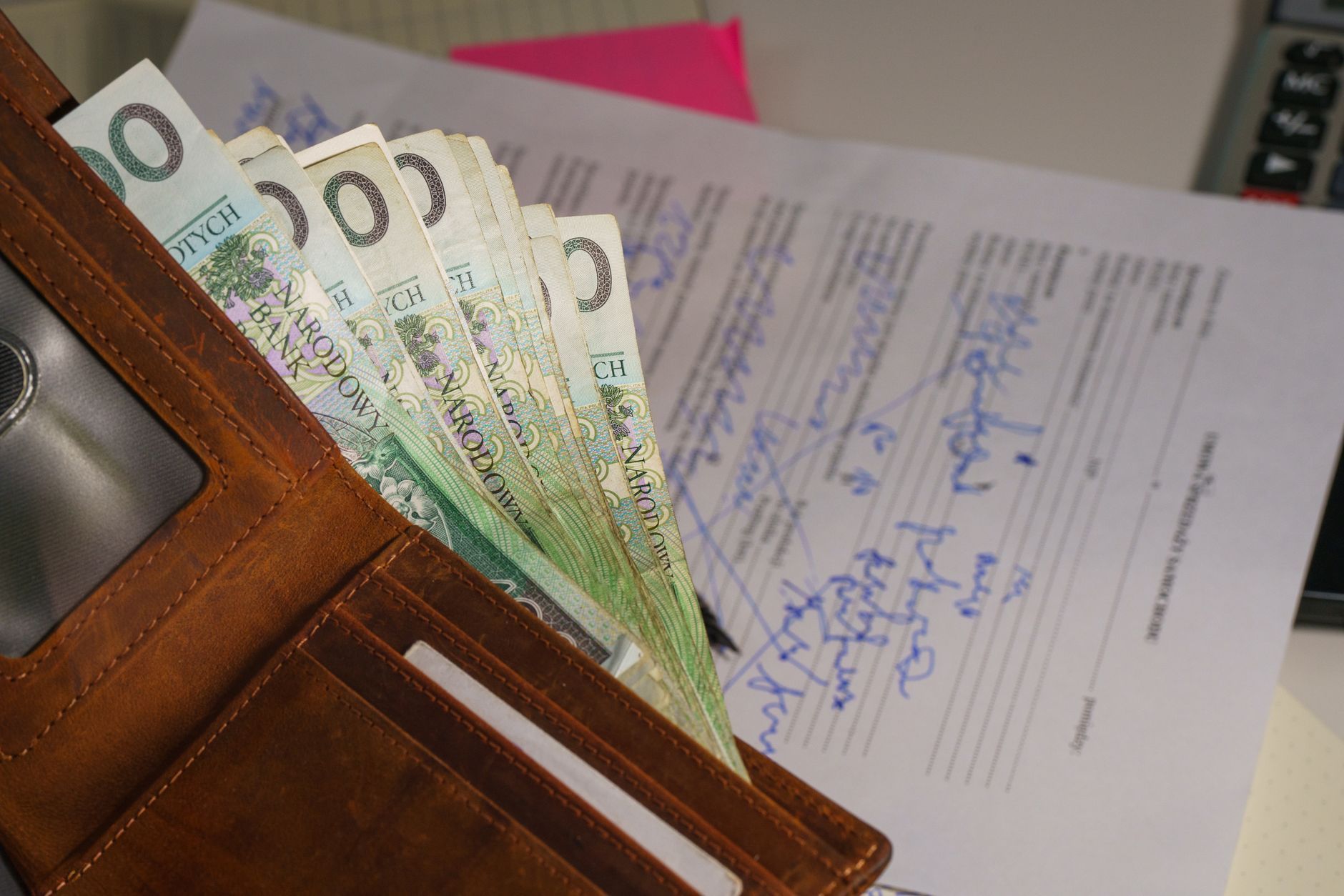
A student loan is the one gift that takes decades to return. That joke lands differently when you're staring at a balance that barely moved last month.
You made the minimum payment. The interest charged was almost the same amount. The principal dropped by maybe $40. And somewhere in the fine print, the loan servicer calls this "progress."
It isn't. But there's a real way out, and it doesn't require a windfall.
Why Paying Off Student Loans Faster Actually Matters
The math on minimum payments is brutal. On a $30,000 federal loan at 6.5% interest with a 10-year repayment term, your monthly payment is roughly $340. That's manageable. But you'll pay somewhere around $11,000 in interest over the life of the loan if you do nothing extra.
Put an extra $100 a month toward that same loan and you cut roughly two years off the repayment timeline and save somewhere around $3,000 in interest. The money you "lose" to interest is gone forever. The money you redirect toward principal comes back to you as freedom.
Minimum payments are a treadmill, not a plan. The budget should always show you what "extra" would actually do.
Step 1: Know Exactly What You Owe (and to Whom)
Before anything else, get the full picture. Log in to your loan servicer's website and write down:
- Each loan's current balance
- The interest rate on each loan
- The minimum monthly payment
- Whether it's federal or private
If you have multiple federal loans, studentaid.gov shows them all in one place. Private loans are with whichever lender you borrowed from.
This step sounds obvious. Most people skip it and feel vaguely uneasy about their debt instead. Avoidance is the most expensive money habit there is.
Step 2: Order Your Loans to Attack
Two methods work. Pick one and stick with it.
The avalanche method: Pay minimums on everything, then throw every extra dollar at the loan with the highest interest rate first. This saves the most money over time.
The snowball method: Pay minimums on everything, then throw every extra dollar at the smallest balance first. This gives you early wins, which matters if motivation is what usually kills the plan.
| Method | Best for | Interest saved |
|---|---|---|
| Avalanche | Disciplined, math-first | Maximum |
| Snowball | Needs early wins | Slightly less |
Neither method is wrong. The one you'll actually follow is the right one.
Step 3: Find the Extra Money
You don't need a raise. You need a reallocation.
Start with subscriptions. A C+R Research survey found that people estimate they spend about $86 a month on subscriptions. The actual average is closer to $219. That gap is real, and it's often sitting in bank statements nobody reads.
One evening of statement-reading frequently turns up a streaming trial from 18 months ago, a fitness app used three times, and a cloud storage plan for a phone that no longer exists. Together those might be $40 a month. That $40 sent to your highest-rate loan every month is roughly $480 a year hitting principal instead of your forgettable watch history.
Other places to look:
- A phone plan you've never compared to competitors (often $20–$40 cheaper elsewhere)
- Delivery fees on food you could pick up instead
- Any recurring charge you can't immediately name a benefit for
The goal isn't to find one big cut. It's to find several small ones that add up to $50–$150 a month you can redirect with a single automatic transfer.
Step 4: Set Up Biweekly Payments (If Your Servicer Allows It)
Paying half your monthly loan payment every two weeks instead of one full payment each month results in 26 half-payments per year, which equals 13 full payments instead of 12. That's one extra payment per year with no change to your monthly budget.
On a $30,000 loan at 6.5%, that one extra annual payment cuts roughly 8–10 months off the repayment timeline. Check with your servicer first. Some have specific instructions for applying extra payments to principal rather than future payments. Call them or log in and confirm the setting.
Step 5: Put Windfalls to Work Immediately
Tax refunds. Work bonuses. A side gig payment. The occasional birthday check.
These feel like free money, which is why they disappear so easily. A tax refund that goes straight into a checking account gets spent on things you can't name two weeks later.
Instead, treat every windfall as a loan payoff event. A $900 tax refund applied directly to your highest-rate loan is a day you remember. "That's the month the balance finally dropped below $20,000" is a real milestone.
You don't have to send 100% of a windfall to your loan. A split (say, 70% to the loan, 30% to something you actually want) is honest and still meaningful. The part that goes to principal is a permanent reduction in what you owe.
Step 6: Refinance Only When the Math Is Clear
Refinancing a student loan means taking out a new loan, usually from a private lender, to pay off the old one at a lower interest rate. If your federal loans carry 6–8% interest and you have a strong credit score, you might qualify for a private refinance at 4–5%.
The caution: refinancing federal loans into a private loan means permanently losing access to federal protections. Income-driven repayment plans, Public Service Loan Forgiveness, and federal forbearance options go away the moment you refinance with a private lender.
If you're counting on any of those programs, don't refinance. If you're in a stable job, have no intention of using income-driven repayment, and the rate difference is real, the math might work. Run the actual numbers before deciding.
How to Pay Off Student Loans Faster: A One-Week Action Plan
You don't need a month to start. Here's what to do this week:
- Pull up every loan balance, rate, and minimum payment today.
- Pick avalanche or snowball and write down which loan you're targeting first.
- Go through one month of bank statements and flag any subscription you can cancel by Friday.
- Set up one automatic extra payment, even if it's $30, to hit your target loan on the same day as your regular payment.
That $30 feels small. Over 12 months it's $360 hitting principal. Over 24 months, it's $720 plus the interest those dollars would have accrued. Small and consistent beats heroic and abandoned every time.
A budget app like Brenda can show you exactly where that extra $30 (or $80, or $150) is hiding in your current spending, so you're not guessing.
The loan balance that barely moved last month will move this month. The difference is a plan you actually execute.
Read less about money.
Do more with it.
Brenda drafts your budget, reads the receipts, and tells you the truth, kindly. Free on iOS and Android.