How to Pay Off Your Home Loan Quicker (With Real Numbers)
A mortgage feels permanent until you see what one extra payment a year actually does. Here's how to chip away at your home loan faster, without a remortgage.
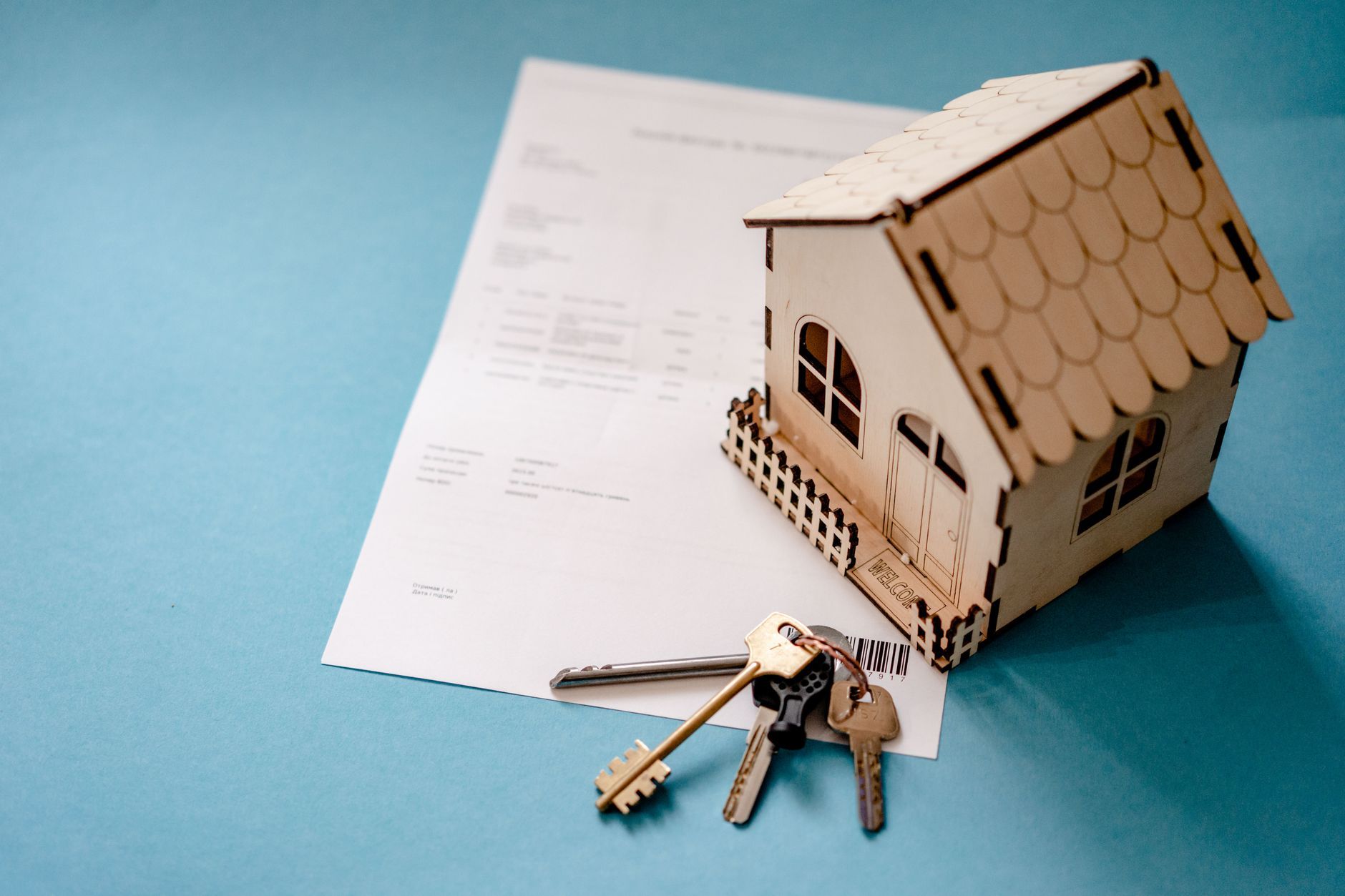
A mortgage walks into a bar and orders a drink. The bartender says, "That'll be 30 years." The mortgage says, "What if I pay a little extra each month?"
That punchline isn't just a groaner. It's the whole strategy.
Why Paying Off Your Home Loan Quicker Is Worth the Effort
A 30-year mortgage is designed to cost you a lot more than the price of your house. On a $400,000 loan at a 6.5% interest rate, you'll pay roughly $510,000 in interest over the life of the loan. That's more than the house itself.
The good news: you don't have to accept that number. Every extra dollar you put toward the principal reduces the balance the bank charges interest on. That compounds in reverse, working for you instead of against you.
The goal of this post is one thing: give you concrete methods to knock years off your mortgage, with the math to show why each one works.
What's Actually Happening Inside Your Mortgage Payment
Before the tactics, a quick translation.
Each monthly payment splits into two parts: interest and principal. Early in a mortgage, the split is brutal. On that $400,000 loan at 6.5%, your first monthly payment of roughly $2,528 goes like this:
- About $2,167 goes to interest
- About $361 goes to actually reducing your loan balance
That means for the first few years, nearly 85 cents of every dollar you pay goes straight to the bank, not to owning more of your home. Extra payments change that split fast, because they go directly to principal.
How to Pay Off Your Home Loan Quicker: 5 Methods That Work
1. Make One Extra Full Payment Per Year
This is the most talked-about trick, and the math actually holds up.
On that same $400,000 loan at 6.5%, making 13 full payments per year instead of 12 cuts roughly 4 to 5 years off a 30-year term and saves somewhere in the range of $80,000 to $100,000 in interest.
You can do this one of two ways. Save up and make a lump-sum 13th payment once a year. Or divide your monthly payment by 12 and add that amount to each payment. On $2,528 a month, that's about $211 extra per month. Small enough to budget for. Big enough to matter.
Check with your lender first and make sure extra payments are applied to the principal, not just credited as an early next payment.
2. Switch to Fortnightly Payments
Most lenders let you pay every two weeks instead of once a month. Because there are 26 fortnights in a year, you end up making the equivalent of 13 monthly payments instead of 12. Same effect as method one, but it happens automatically.
This works best if your pay cycle is fortnightly. Your mortgage payment leaves your account when the money arrives, so you never feel the pinch.
3. Round Up Every Payment
This one is almost painless. If your payment is $2,528, round it to $2,600. That's $72 extra a month, or $864 a year, all going to principal.
$864 a year doesn't sound dramatic. But applied consistently over a decade, it chips away at thousands of dollars of interest. Compounding works in both directions. The bank uses it against borrowers who pay the minimum. You can use it in reverse.
4. Put Windfalls Directly on the Loan
Tax refund. Work bonus. An inheritance. A side project that paid better than expected.
Most people absorb windfalls into general spending without noticing. A $3,000 tax refund goes to a new couch, a trip, and a few dinners that are already forgotten by June.
That $3,000 applied to your mortgage principal does something different. At 6.5% interest, it saves you roughly $6,000 to $9,000 over a 30-year term depending on where you are in the loan. You'll never see the couch money again. But the interest you didn't pay keeps not being paid for decades.
This isn't about denying yourself every windfall. It's about being deliberate with at least some of them.
5. Refinance to a Shorter Term (When the Numbers Actually Work)
Refinancing from a 30-year to a 15-year mortgage cuts your interest bill dramatically, often in half. The monthly payment goes up, but the rate is usually lower and you pay far less overall.
The catch: a higher monthly payment means your budget needs to genuinely absorb it. A refinance that stretches you so thin you can't build savings or handle a repair bill isn't a win. Run the numbers on your full financial picture before going this route.
There are also closing costs, typically somewhere in the range of 2–5% of the loan amount. Make sure the long-term savings clear that hurdle. If you're planning to move in four years, they probably won't.
The Real Cost of Doing Nothing
Picture this: you take out a $400,000 mortgage, make every payment on time, and pay nothing extra. In 30 years you own the house outright. You've also paid roughly $510,000 to the bank in interest.
Now picture the same loan, but you add $200 a month to every payment. You'd cut roughly 6 years off the term and save somewhere around $120,000 in interest. That $200 a month over 24 fewer years is $57,600 out of pocket. The return on that $57,600 is $120,000 in interest not paid. Very few investments beat that kind of guaranteed return.
Minimum payments are a treadmill, not a plan. The budget should always show what "extra" would actually do.
Traps to Watch Out For
A few things that seem like they help but need a second look.
Prepayment penalties. Some mortgages, especially older ones, charge a fee if you pay off the loan early or make large extra payments. Read your mortgage documents or call your lender before you start making extra payments. Most modern mortgages don't have these, but some do.
Ignoring higher-rate debt. If you're carrying credit card debt at 20% or more, that balance costs more per dollar than your mortgage does. Paying extra on the mortgage while carrying high-rate card debt is the wrong order of operations. Clear the expensive debt first, then attack the mortgage.
Not having an emergency fund. An extra $300 a month toward your mortgage does no good if a $1,500 car repair goes straight onto a credit card. Keep a buffer in place before you accelerate.
Your One Action This Week
Pull up your most recent mortgage statement. Find the current principal balance and your interest rate. Then use a free mortgage payoff calculator (most banks have one) to run this scenario: what happens if you add $100 a month to every payment?
Look at the number of years saved and the total interest avoided. That's the cost of the default path. Once you see it written out, the question stops being "can I afford to pay extra?" and starts being "which method fits my cash flow best?"
Brenda can help you find that $100 (or $200) by tracking exactly where your money is going each month, so you're redirecting spending you won't miss instead of money you actually need.
The house is yours either way. The question is just how much you pay for it.
Read less about money.
Do more with it.
Brenda drafts your budget, reads the receipts, and tells you the truth, kindly. Free on iOS and Android.