How to Pull Off a Wedding on a Budget
A beautiful wedding doesn't require a five-figure debt hangover. Here's how to set a real number, cut the right costs, and actually enjoy the day.
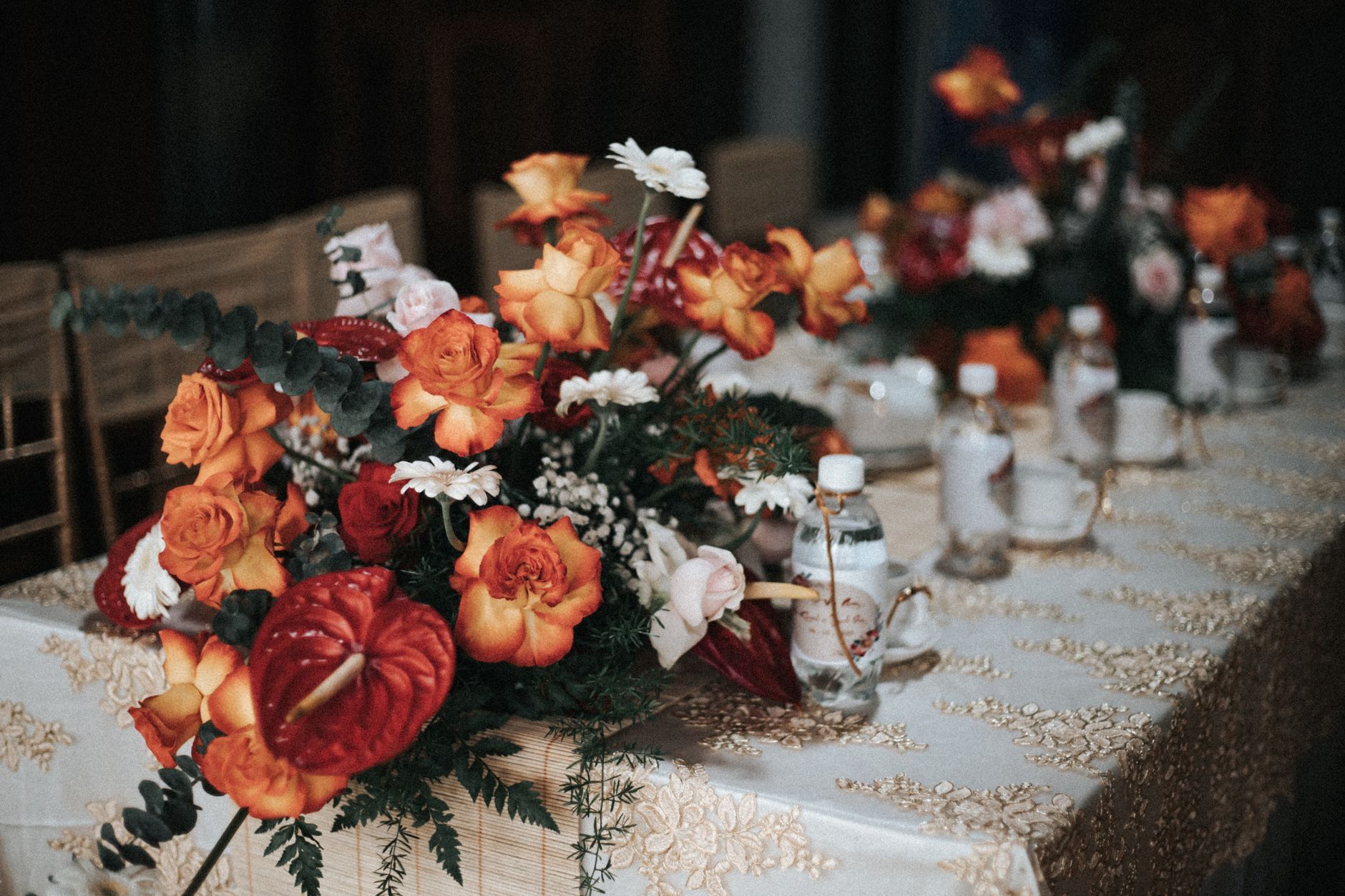
A wedding budget is just a budget with flowers on top. The math still works the same.
You've said yes. Now everyone around you has an opinion about chair rentals. The average wedding in the U.S. runs well into the tens of thousands of dollars, and the industry is very good at making every upgrade feel non-negotiable. It isn't. Plenty of couples have pulled off a genuinely beautiful day for $8,000, $5,000, or less. The ones who did it without financial regret all had one thing in common: they set a hard number before they booked anything.
The First Move: Name the Number
Before you look at venues, before you taste cake, open a blank document and write down three things.
- Total cash available (savings you're willing to spend, plus any confirmed family contributions).
- Maximum debt you're willing to carry (for most people, the honest answer is zero).
- Your actual budget. Add lines 1 and 2. That's it. That's the ceiling.
If family money is involved, get the number in writing, or treat it as zero until the check clears. "We'll help with the wedding" is not a line item.
Don't let a venue tell you what your budget should be. A venue asking for a $12,000 minimum is not telling you what weddings cost. It's telling you what that venue costs.
Where the Money Actually Goes
A typical wedding budget breaks down roughly like this. These are ballpark ranges, not research figures, but they reflect the proportions that catch couples off guard.
| Category | Rough share of total budget |
|---|---|
| Venue and catering | 40–50% |
| Photography and video | 10–15% |
| Music (DJ or band) | 5–10% |
| Flowers and decor | 8–12% |
| Attire (both partners) | 5–10% |
| Invitations and stationery | 2–4% |
| Everything else | 10–15% |
Venue and food will consume half your budget if you let them. That's the number to control first, because every other decision follows from it.
Pulling Off a Wedding on a Budget: Where to Cut Without Noticing
Reconsider the Saturday
Venues charge a premium for Saturday evenings because that's what everyone wants. A Friday evening or a Sunday afternoon at the same venue can run 20–30% less. Your guests will still come. Anyone who won't attend a Sunday wedding probably wasn't going to be great company anyway.
Shrink the guest list before anything else
This is the most effective cost lever and the most uncomfortable conversation. Food and beverage is charged per head. Flowers are often per table. A guest list of 80 versus 150 doesn't just save on catering. It saves on every line item that scales with headcount.
Picture this: a couple we hear from often plans for 120 guests out of obligation, then quietly admits they'd be happier with 60 people they actually love. The difference in cost covers the honeymoon. The guest list is a financial decision, not just a social one.
Rethink the full-service venue
A blank-canvas space (a rented hall, a family property, a public park with a permit) costs a fraction of a dedicated wedding venue. You bring in your own catering, your own tables, your own bar. More coordination, yes. But the savings are real. A catered dinner from a local restaurant running a buffet service can cost half what a venue's in-house catering charges per plate.
Set flowers as a fixed dollar amount
Tell your florist your total flower budget before they show you a single arrangement. "I have $800 for all floral" is a complete sentence. A skilled florist will work within it using seasonal and locally grown stems. Roses in February are a budget problem. Dahlias in August are not.
Hire a photographer, not a videographer (if you have to choose)
Photos you'll look at for decades. Video you'll watch twice. If the budget forces a choice, photography wins. Many emerging photographers charge $1,500–$2,500 for full-day coverage and deliver work indistinguishable from someone charging $5,000. Look at their last three real weddings, not their portfolio's highlight reel.
Buy the dress off the rack or secondhand
A sample sale dress or a pre-owned gown in good condition can save $500–$2,000 over a new order. Sites dedicated to resale bridal wear exist specifically for this. The dress looks the same in every photo.
The Costs That Sneak Up
Small line items add up fast. Budget explicitly for these before you assume they're covered.
- Gratuities for catering staff, the DJ, the photographer's assistant. Budget roughly 15–20% of each vendor's fee for tips.
- Alterations. A dress that costs $600 can need $300 in alterations. Build it in.
- The day-of coordinator. Even a budget wedding benefits from one person whose only job is keeping the timeline alive. Many charge $500–$900 for day-of services only.
- Marriage license. Usually $50–$100 depending on your county. People forget this exists until two weeks before the date.
- Vendor meals. Many contracts require you to feed your vendors. At $30–$50 a plate, six vendors adds up.
Building the Budget as a Savings Goal
If the wedding is 12 or 18 months out, you're not paying for it all at once. You're saving toward it.
Say the total budget is $9,000 and you've already set aside $3,000. That leaves $6,000 to save. At 12 months, that's $500 a month. At 18 months, it's $333.
Name that goal. Call it "The Wedding" in your savings setup, not "Goal #3." Transfer to it automatically, on the same day every month, before it can get absorbed into spending. A goal with a name and a deadline is a plan. A goal without either is a wish.
Brenda lets you create named savings goals with a monthly target attached, so you can see exactly how the number moves each time a deposit lands.
The One Rule That Holds Everything Together
Decide, as a couple, which three things matter most. Photography? A great meal? A specific venue? Those three get the money. Everything else gets squeezed.
Every vendor, every upgrade, every "it would be nice to have" gets measured against the three things. Centerpieces you'll look at for four hours don't make the top three for most couples. A photographer whose work you'll look at for forty years often does.
Your Practical Takeaway
This week, before you open a single wedding website, write down your ceiling number and your top three priorities. Then look at your current savings rate and calculate what you need to set aside each month to reach the number by the date you want.
That's the whole framework. Everything else is details.
Read less about money.
Do more with it.
Brenda drafts your budget, reads the receipts, and tells you the truth, kindly. Free on iOS and Android.