How to Pull Off a Wedding on a Budget (Real Numbers)
A beautiful wedding does not require a five-figure debt hangover. Here's how to plan every major line item without gutting your future finances.
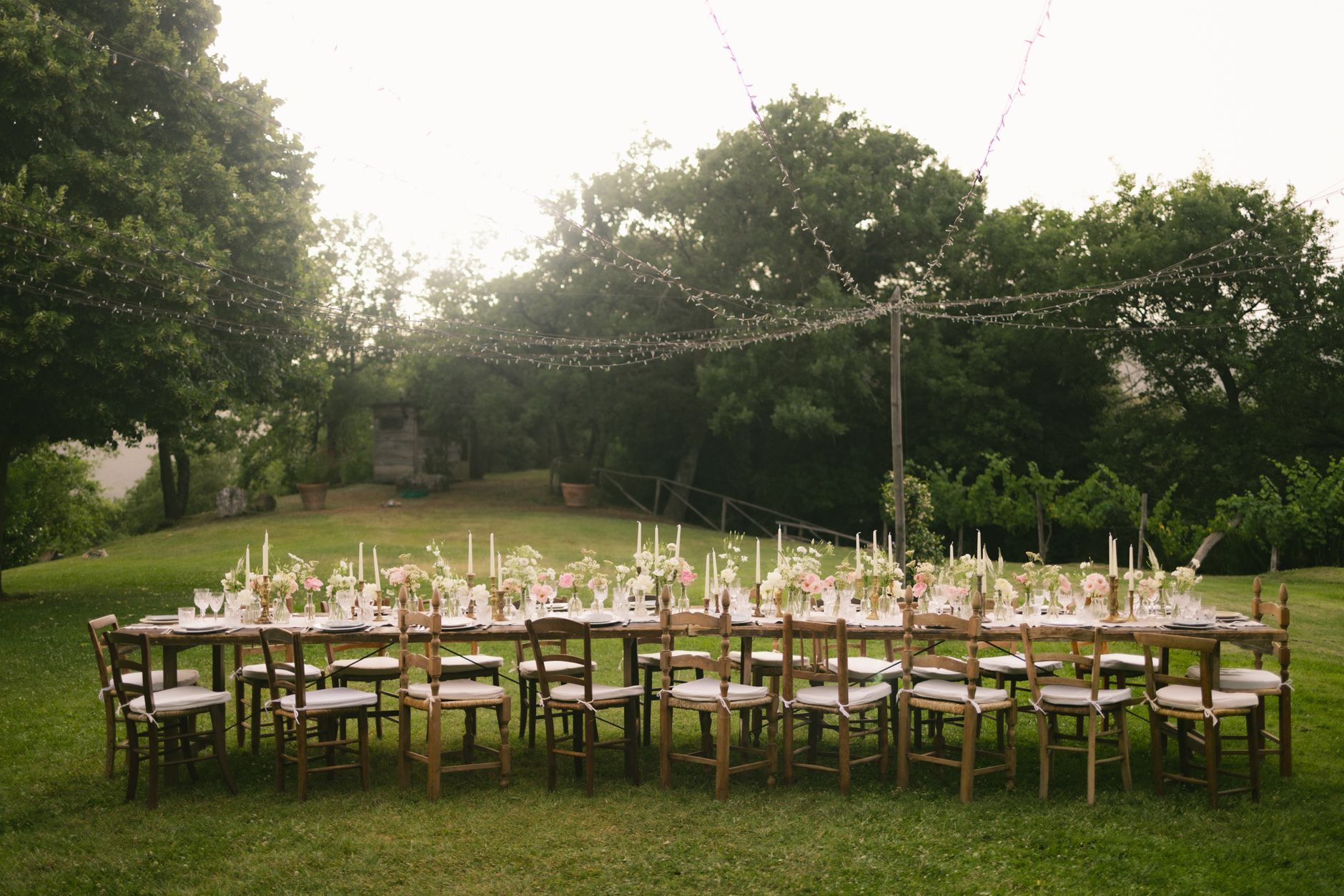
A wedding is the only party where guests expect a full dinner, an open bar, and a string quartet, and somehow that feels reasonable. It isn't, but there's a way through.
Most couples don't overspend because they're careless. They overspend because no one hands them a plan with actual numbers before the deposits start. This post is that plan.
Why a Wedding on a Budget Needs a Number First
Before you book a single venue tour, write down the total amount you can spend without going into debt. Not what you think a wedding "should" cost. The number your bank account can actually handle, plus any confirmed family contributions (in writing, ideally).
That number is your budget. Everything else is allocation.
If you skip this step, you'll make a hundred small decisions that each feel reasonable and end up with a bill that doesn't. Venue adds "just" a lighting package. Caterer has a "small" cake-cutting fee. Florist suggests "a little more" greenery. By the time the invoice lands, the word "just" has cost you $4,000.
The Six Budget Lines That Actually Matter
Most wedding cost breakdowns list fifteen categories. In practice, six lines eat almost all the money.
| Category | Rough share of total budget |
|---|---|
| Venue (rental + staffing) | 30–40% |
| Catering and bar | 25–35% |
| Photography and video | 10–15% |
| Music or DJ | 5–8% |
| Flowers and décor | 8–12% |
| Everything else (dress, invites, cake, transport) | 10–15% |
"Everything else" is where budgets quietly die, because it's twelve small decisions that each feel cheap on their own.
Say your total budget is $12,000. That puts venue at roughly $3,600–$4,800 and catering at $3,000–$4,200. Run those numbers before you fall in love with a space.
Where to Spend Less Without Feeling It
Venue
Non-traditional spaces cost less and often look better in photos. A family friend's backyard, a state or national park pavilion, a local botanical garden, a restaurant buyout, a brewery event space. The "wedding venue" markup is real. The same Saturday afternoon at a dedicated wedding venue often costs two or three times what a similar space charges because they know what day it is.
Public parks frequently rent pavilions for a few hundred dollars. The catch is usually that you handle your own catering, which gives you more control anyway.
Guest count
This is the single most powerful lever on your budget. Every guest added to the list is another seat at dinner, another chair to rent, another slice of cake. Cutting from 120 guests to 80 can save $3,000–$5,000 in catering alone, sometimes more.
A smaller guest list also tends to mean a better party. The people who know you well enough to toast you are a much shorter list than the people you feel obligated to invite.
Photography over videography
If you have to choose, most couples say photos matter more ten years out. A strong photographer at $2,000–$3,000 will serve you better than a mediocre photographer and videographer split across the same budget. Video is beautiful when you can afford it. It's not the place to stretch if you can't.
Flowers
Fresh flowers at weddings are priced at a significant premium. Alternatives that look excellent on camera: dried florals (often half the cost), seasonal blooms bought in bulk from a wholesale market, or greenery-forward arrangements that use less bloom volume. A single statement piece, like a large ceremony arch, reads better in photos than scattered small arrangements anyway.
The bar
A beer-and-wine-only bar cuts costs by roughly 30–40% compared to a full open bar. Most guests won't notice once the dancing starts. If you want to offer a signature cocktail, batch it in advance rather than paying per drink.
Timing
A Friday evening or Sunday afternoon wedding costs less than Saturday at nearly every venue and caterer. If your guest list can handle the logistics, this one choice can save $1,000–$2,500 on the venue alone.
Where Not to Cut
Some corners leave a mark.
Photography. You can rent chairs but you can't reshoot the day. This is not the line to find the cheapest option on.
Food quality. Guests remember two things about a wedding: the couple and whether the food was good. Fewer courses done well beats a full menu done cheaply.
Your own comfort. A dress you love within budget beats one you settled for because you felt guilty spending more. Know your ceiling and shop within it, but don't suffer through your own wedding to save $200.
Building the Actual Budget
A simple approach: list every line item, assign a maximum to each, and add a 10% buffer for surprises. Not 5%. Ten. There will be surprises.
Here's what $15,000 could look like for a 60-person wedding:
| Line item | Budget |
|---|---|
| Venue | $3,500 |
| Catering (food only, $45/person) | $2,700 |
| Bar (beer and wine) | $1,200 |
| Photography | $2,500 |
| DJ | $1,000 |
| Flowers and décor | $1,200 |
| Dress and suit | $1,000 |
| Invitations and stationery | $300 |
| Cake | $400 |
| Officiant | $300 |
| Buffer | $1,100 less than 10% |
That's $15,200 before the buffer is touched. The math fits, but just barely. Which means if the caterer's minimum is $55/person instead of $45, you need to know that before you sign, not after.
Tracking the Budget as You Book
The most common budget mistake isn't picking expensive vendors. It's losing track of what's been deposited, what's still owed, and what's unspoken for. By month three of planning, most couples are operating on a mental guess rather than a running total.
A spreadsheet with three columns (budgeted, deposited, balance owed) takes fifteen minutes to set up and saves genuine financial pain. Update it every time a contract is signed. Some couples use Brenda's savings goals feature to track what's been set aside for each vendor separately, so the wedding fund doesn't blur into day-to-day spending.
One More Thing About Debt
Going into debt for a wedding is a choice, but it deserves to be a conscious one. A $5,000 balance on a card charging 22% interest costs roughly $1,100 in interest if it takes a year to pay off. That's flowers, a DJ, and most of the bar tab gone to the card company instead.
The cleanest version of this: set the budget at what you can pay in cash or save up in time. Then plan backward from there.
Your One Action This Week
Write down your total number. Not a range. One number, the most you will spend. Then divide it across the six categories using the percentages above, and see where the math breaks. It almost always breaks somewhere. Better to find that out now, before anyone has signed anything.
A wedding is one day. The finances that follow it are every day after that.
Read less about money.
Do more with it.
Brenda drafts your budget, reads the receipts, and tells you the truth, kindly. Free on iOS and Android.