How to Plan a Wedding on a Budget (Real Numbers)
A wedding doesn't have to cost a year's salary. Here's how to set a real number, decide where to spend and where to save, and actually stick to it.
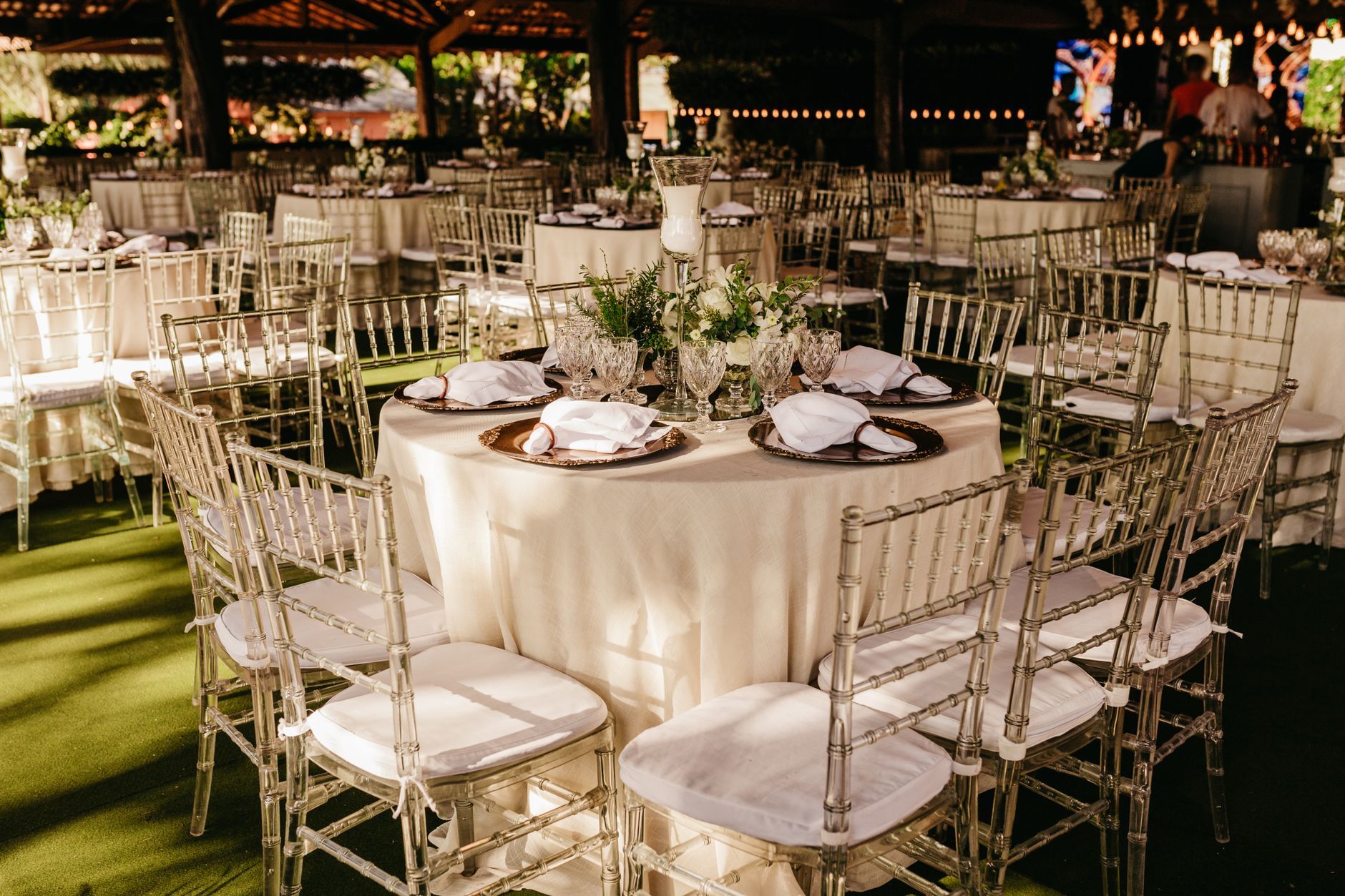
A wedding is a surprise party your bank account never RSVP'd to. Now, about that budget.
You and your partner have a date in mind, a general vision, and a number that feels both too high and somehow still not enough. That's the starting point for almost every couple. The average wedding in the U.S. runs well into five figures. You can have a genuinely great one for far less, but only if you make explicit decisions about where the money goes before the vendors do it for you.
Setting Your Wedding Budget Number
The first move is agreeing on a total. Not a vibe, not a range. A single number both of you can defend.
Add up what you can realistically save between now and the date. If family is contributing, get a confirmed dollar amount before you count it. "We'll probably help" is not a budget line. $3,000 from one set of parents is.
A practical way to frame it:
| Source | Your estimate |
|---|---|
| Joint savings by wedding date | $X |
| Confirmed family contributions | $X |
| Other (sold items, side income) | $X |
| Total | $X |
Put that total in a place you can both see it. That number is the ceiling, not a suggestion.
Where the Money Actually Goes
Wedding costs tend to cluster in a few categories. Here's a rough breakdown of where most couples spend, by percentage of total budget:
| Category | Rough share of budget |
|---|---|
| Venue | 25–35% |
| Catering and bar | 30–40% |
| Photography and video | 10–15% |
| Music or DJ | 5–8% |
| Flowers and decor | 5–10% |
| Attire (both partners) | 5–8% |
| Everything else | remaining |
The venue and food together can eat 60% of your budget before you've bought a single flower. Know that going in.
The Levers That Actually Move the Number
There are a handful of decisions that matter far more than any individual line item.
Guest count is the biggest one. Catering is typically priced per head. If your venue charges $85 a person for food and drink, every 10 guests you cut saves $850. A wedding of 60 people instead of 120 is not half the party. It is often more personal, easier to manage, and dramatically cheaper.
Day of the week. Saturday evening is peak pricing. A Friday evening or Sunday afternoon wedding at the same venue can run 20–30% less. Ask every venue you tour for their weekday and off-peak pricing before you fall in love with Saturday.
Time of year. Peak wedding season (late spring through early fall) means higher demand for photographers, florists, and venues. An off-season date in November, January, or February often comes with real discounts and more vendor availability.
How much you DIY. Florals are one of the highest-markup categories in the wedding industry. A florist's arrangement often includes a 3–4x markup on the flowers themselves. If someone in your circle is handy with flowers, or you're willing to buy wholesale and keep it simple, you can put $1,500 back in your pocket.
Where to Spend More, Where to Cut
Not every category deserves equal scrutiny.
Spend on photography. You will look at these photos for decades. A skilled photographer with a portfolio you love is worth protecting in the budget. An inexperienced one who seems "good enough" is a permanent record of that gamble.
Cut on things nobody remembers. Elaborate centerpieces, monogrammed cocktail napkins, a champagne tower for the toast. Guests remember the food, the music, whether they had fun, and how the couple looked. They do not remember the napkin rings.
Think hard about the open bar. A full open bar is expensive. A beer, wine, and signature cocktail setup costs meaningfully less and still feels generous to guests. Some venues allow you to bring your own alcohol for a corkage fee. That fee is often still cheaper than buying through them.
The cake. A tiered wedding cake from a specialty bakery can run $600–$1,200 or more. A simple two-tier cake for display plus sheet cakes served from the kitchen looks the same in photos and cuts the cost significantly.
Building the Budget Month by Month
Here's something couples get wrong: they treat the wedding budget as a single lump sum to hit by one date. It works better as a savings goal with a timeline.
Say your wedding is 14 months away and your total budget is $14,000. That's $1,000 a month if you start now, minus anything already saved. Name the goal. Set an automatic transfer on the day you get paid. Don't let it sit in your general checking account where it quietly becomes dinners out.
Track your deposits against your commitments. Most vendors require a deposit to hold your date. That money is spent the moment you sign. Keep a running tally:
- Committed (signed contracts): $X
- Deposited so far: $X
- Remaining to pay: $X
- Still in your budget to allocate: $X
If "remaining to pay" plus "still to allocate" exceeds your total budget number, you have a problem you can see right now, while there's still time to fix it.
The Conversation Nobody Wants to Have
Family contributions come with opinions. That's the deal. If someone is paying for the flowers, they may have thoughts about the flowers. Decide in advance, as a couple, which contributions you'll accept and which expectations you're not willing to absorb. A "free" $2,000 that comes with 15 names added to the guest list is actually quite expensive.
Set those boundaries before the check clears, not after.
Getting the Numbers Out of Your Head
A wedding budget has a lot of moving pieces, and the mental load of tracking deposits, expected costs, and savings progress across multiple accounts adds up. Brenda lets you name a savings goal, connect your accounts, and watch your progress in one place, which is useful when the number you're building toward is this specific and this time-sensitive.
Your Practical Takeaway
This week, do one thing: sit down together and write the number. Not a range. Not "somewhere between $10k and $20k." A single ceiling figure that reflects what you actually have and will realistically save. Every vendor conversation you have after that becomes easier because you're no longer guessing what you can afford. You already know.
The wedding industry is very good at expanding to fill whatever budget it's handed. Your job is to hand it a smaller envelope.
Read less about money.
Do more with it.
Brenda drafts your budget, reads the receipts, and tells you the truth, kindly. Free on iOS and Android.